California Road Trip: Hop On, Hop Off New Orleans Bus Tour
Exploring New Orleans: 18 Stops Through the French Quarter, Garden District and Beyond

Hop-On Hop-Off City Tour

Hop-On Hop-Off City Tour Map

Hop-On Hop-Off City Tour

Hop-On Hop-Off City Tour
Starting at Stop 1: Jackson Square
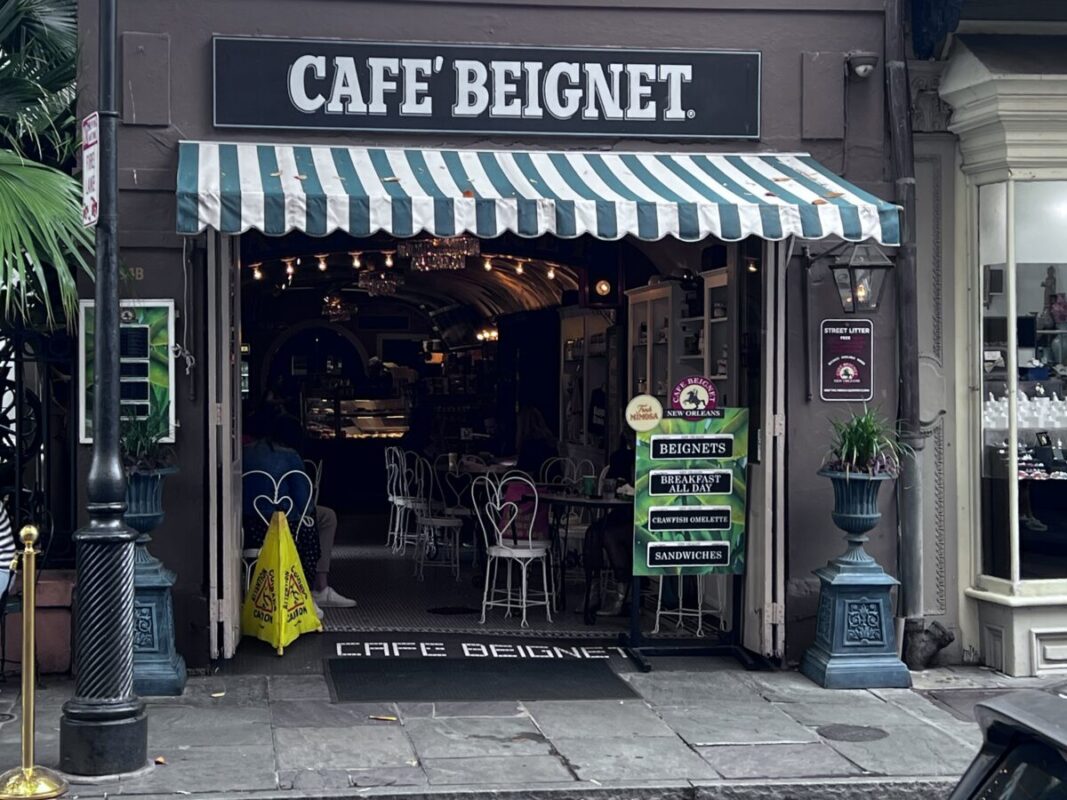
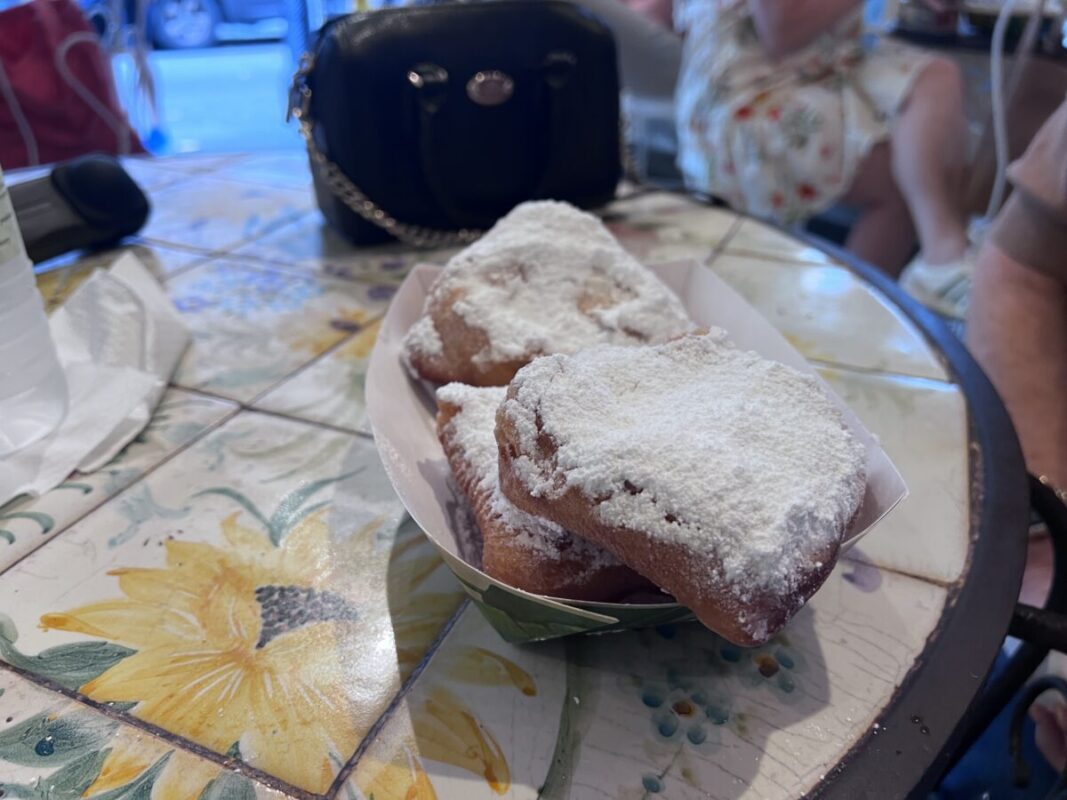
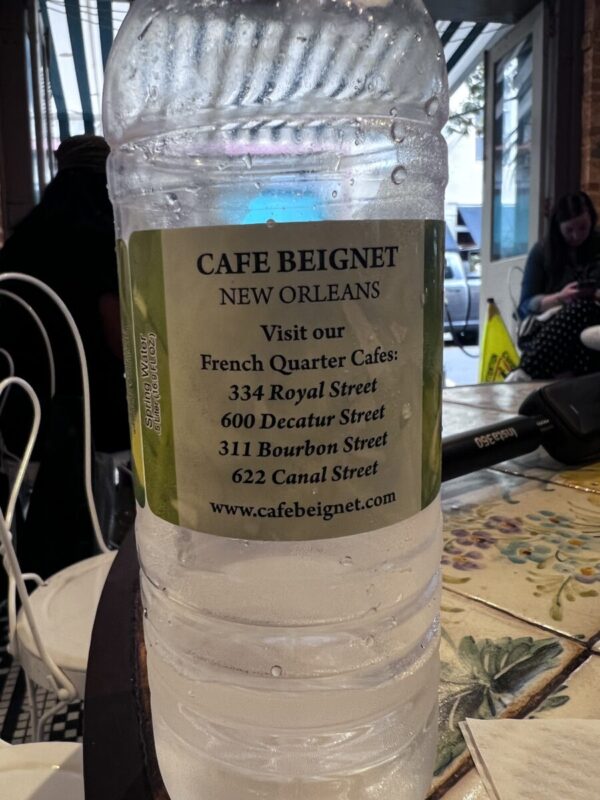
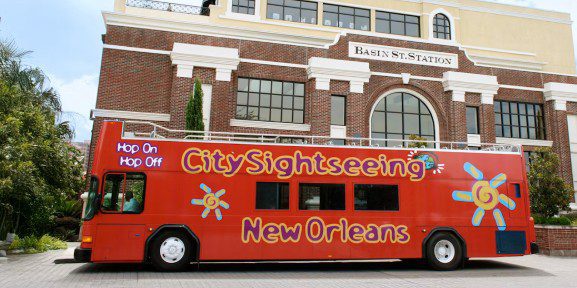
After enjoying our morning beignets at Café Beignet on Royal Street, we walked over to Jackson Square to begin our New Orleans sightseeing adventure. We boarded the City Sightseeing New Orleans open-air, double-decker bus at Stop 1, located near Jackson Square. The open top gave us an excellent view of the historic buildings, balconies, streets, and landmarks as we traveled through the city. We enjoy hop-on, hop-off tours because they allow us to see a large portion of a city without worrying about driving or finding parking. City Sightseeing operates the New Orleans tour as a continuous loop, allowing passengers to hop off at attractions and catch another bus later.
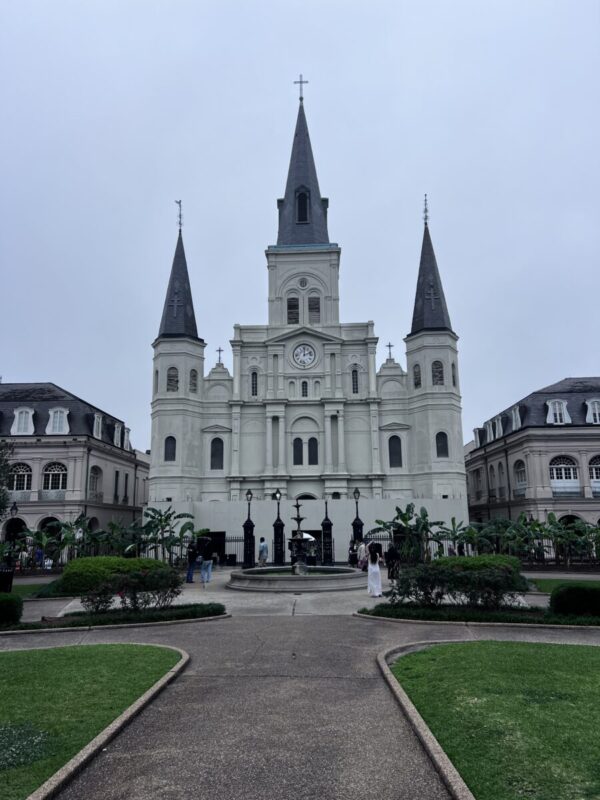
Jackson Square is one of the most recognizable locations in New Orleans. From the bus stop, visitors are within walking distance of St. Louis Cathedral, Café Du Monde, The Cabildo, The Presbytère, and the surrounding French Quarter. It was a great starting point because there was so much to see within just a few blocks.
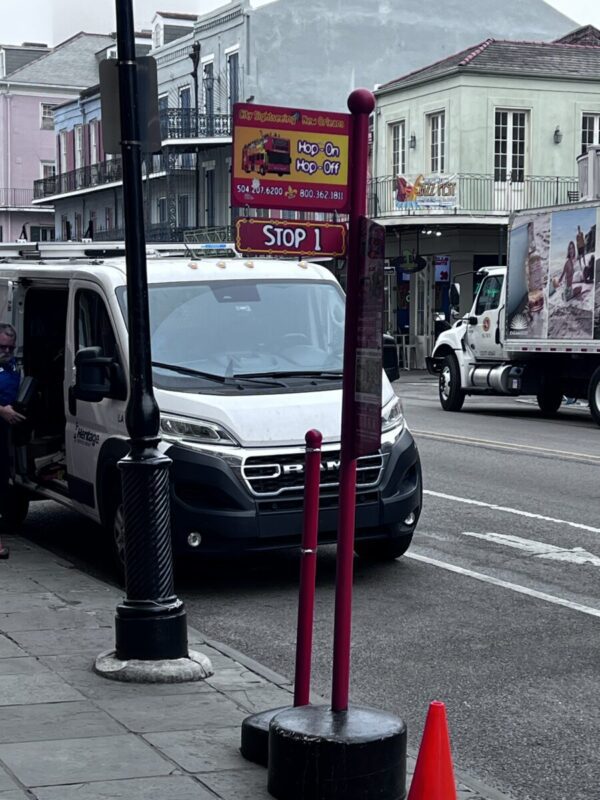
Stop 1
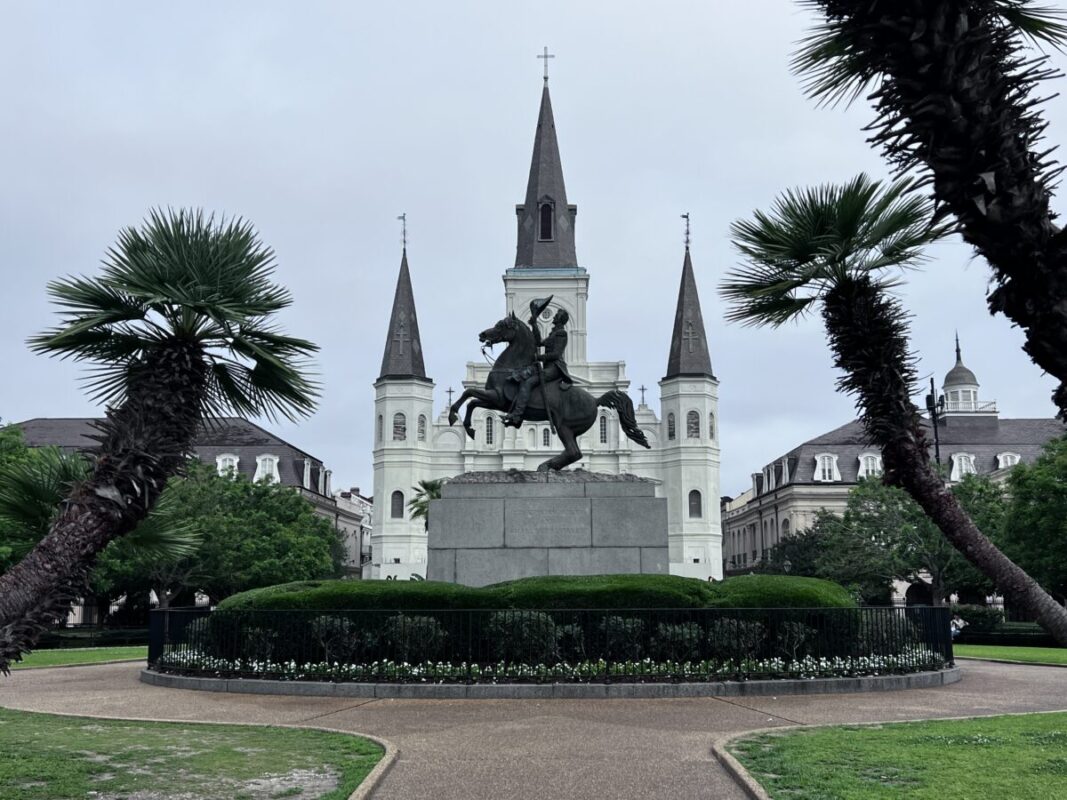
Jackson Square and St. Louis Cathedral
Stop 2: French Market District
Our second stop was the French Market , located along North Peters Street. The historic market area is filled with vendors, food, souvenirs, local artwork, and other New Orleans specialties. Nearby attractions include the French Market Farmers Market and Flea Market as well as the New Orleans Jazz Museum at the Old U.S. Mint.
The French Market is a great place to hop off if you want to experience the local culture and do some shopping. We enjoyed seeing the activity around the market as we continued our tour through the historic neighborhoods.

French Market District

French Market District
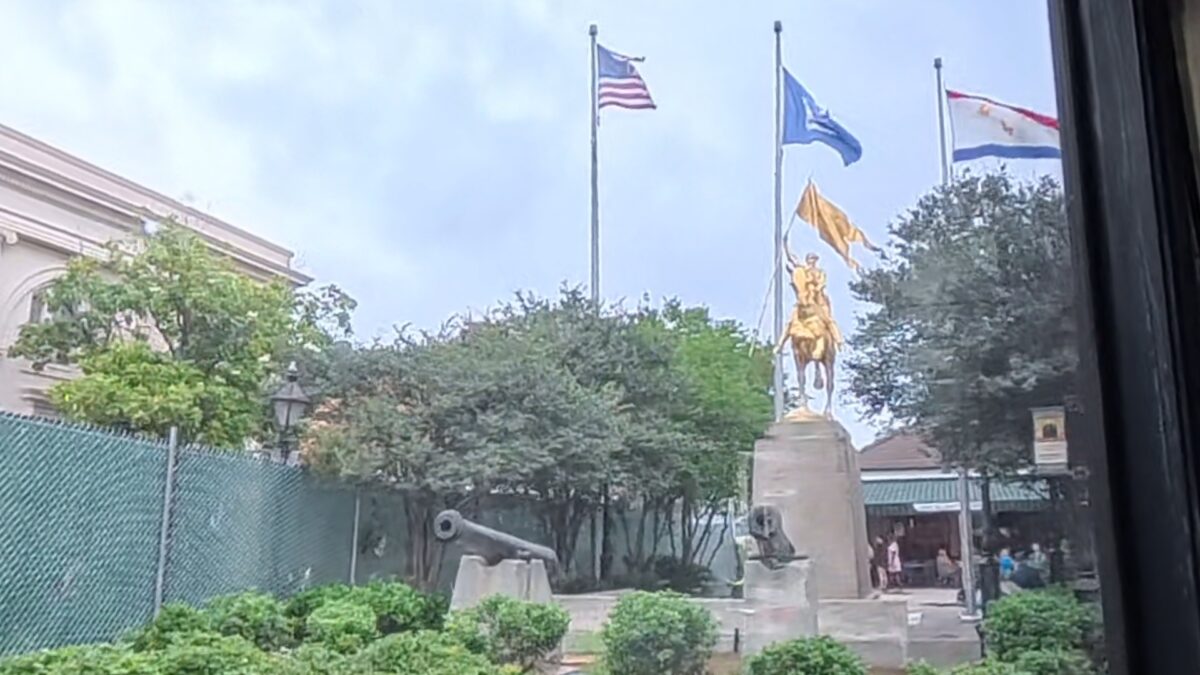
Joan of Arc, Maid of Orleans
Stop 3: Marigny and Bywater Neighborhoods
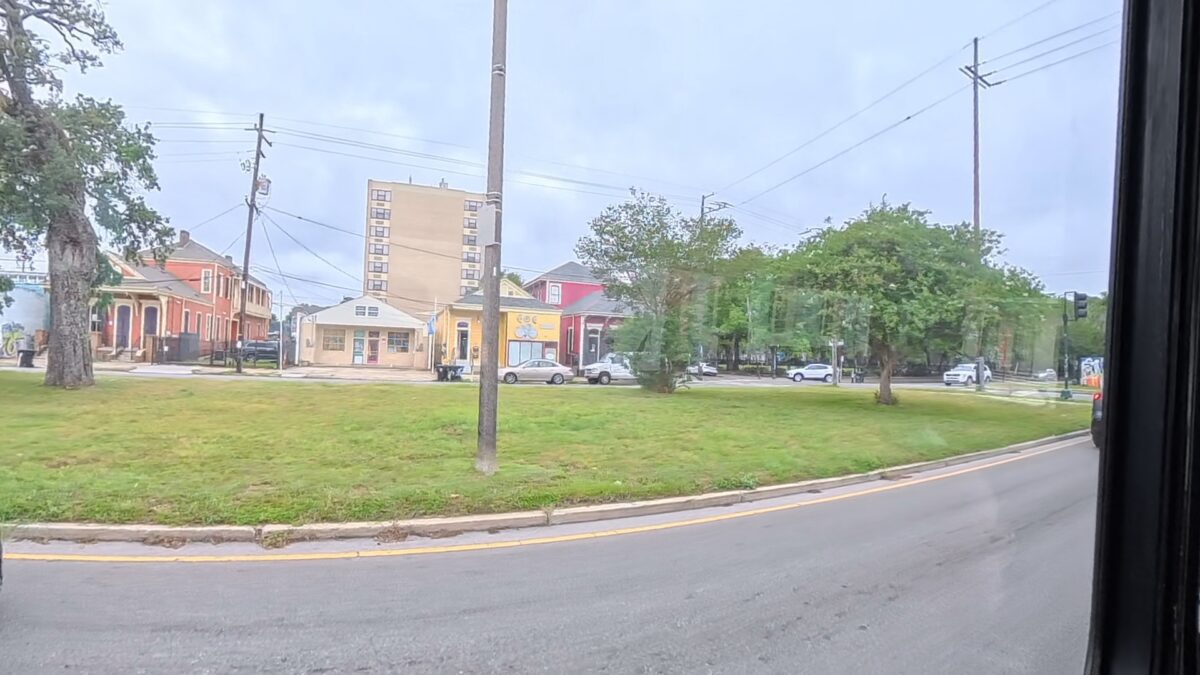
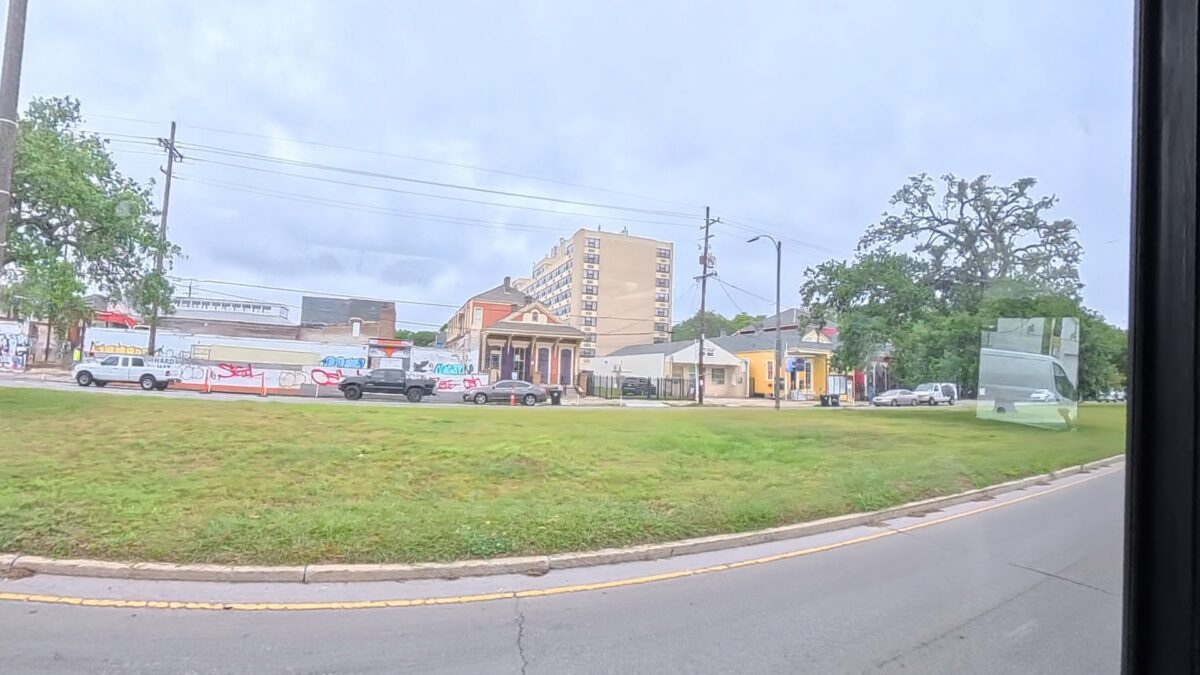
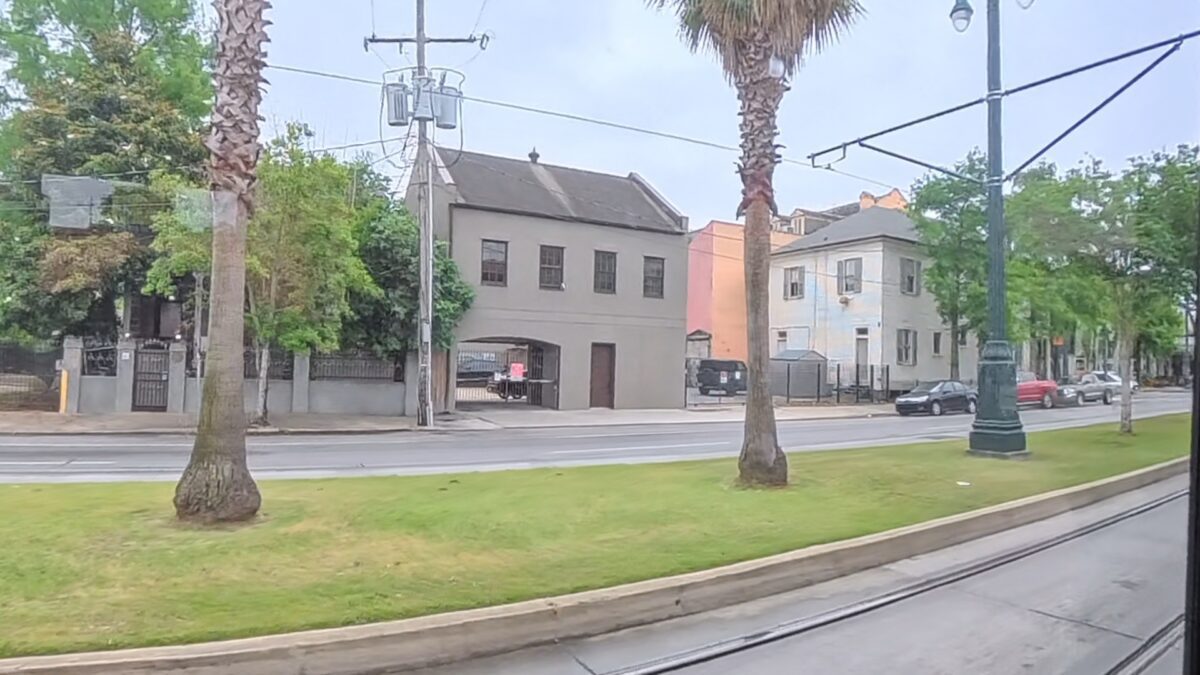
At Stop 3, the bus entered the Marigny and Bywater area. This part of New Orleans has a very different personality from the more tourist-oriented French Quarter. Visitors can explore Frenchmen Street, known for its live music clubs, or visit Crescent Park for views along the Mississippi River.
Another attraction in this area is JAMNOLA, an immersive art experience celebrating New Orleans culture. Even from the top of the bus, it was interesting to see how the architecture and atmosphere changed as we moved away from Jackson Square.
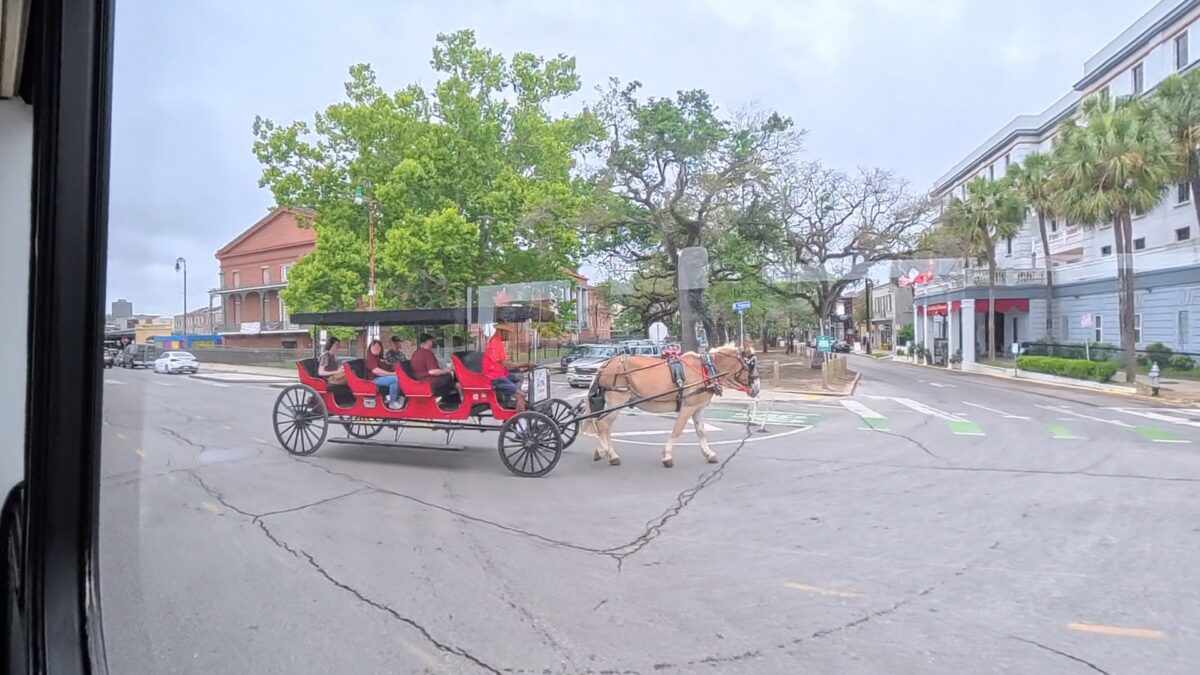
Marigny Neighborhood
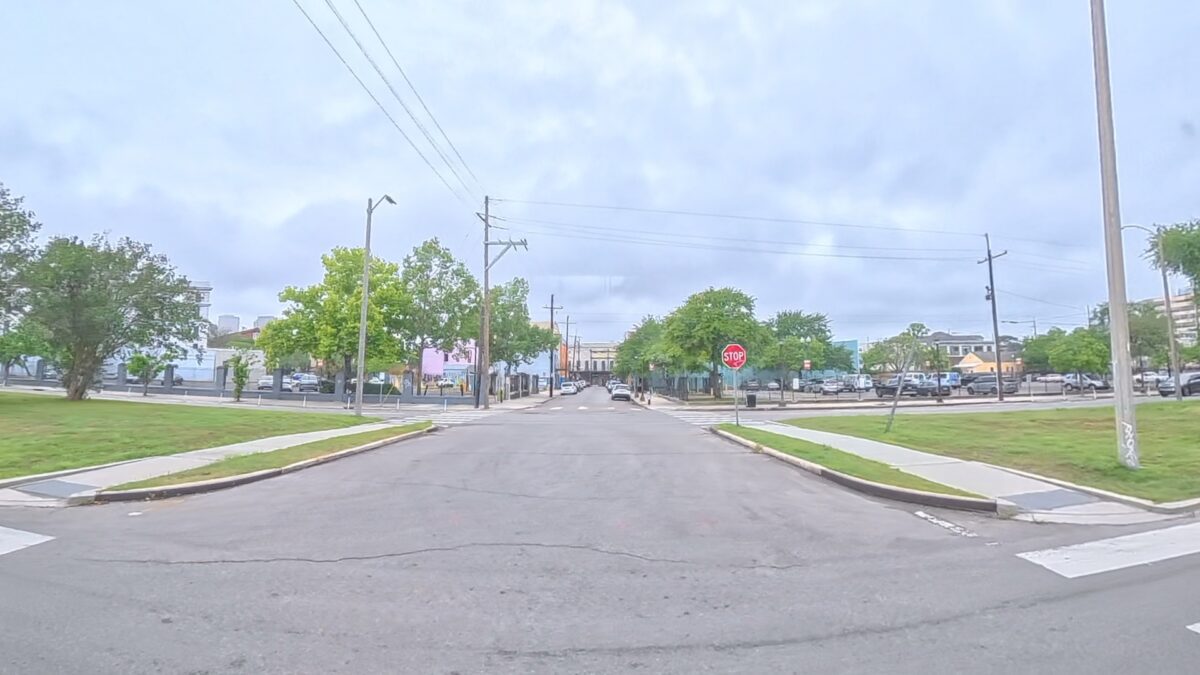
Marigny Neighborhood
Marigny Neighborhood
Marigny Neighborhood
Marigny Neighborhood
Marigny Neighborhood
Stop 4: Tremé
The next stop took us into Tremé, one of New Orleans’ historically significant neighborhoods. Nearby attractions include Louis Armstrong Park and Congo Square, which have deep connections to the city’s African American cultural and musical heritage.
Visitors can also see St. Augustine Church and the Tomb of the Unknown Slave. Tremé is an especially interesting part of the tour because its history is closely connected to the development of New Orleans music, traditions, and culture.

Carmelite Monastery near Tremé
St. Augustine Church and the Tomb of the Unknown Slave
Louis Armstrong Park and Congo Square
Stop 5: Basin Street Station
We continued to Stop 5 at Basin St. Station, which is conveniently located near St. Louis Cemetery No. 1. This was one of the stops where we decided to hop off and explore.
Basin Street Station is also a convenient location for purchasing tickets and information for the cemetery tour. From here, visitors can explore the fascinating history of New Orleans’ famous above-ground cemeteries.
Basin St. Station
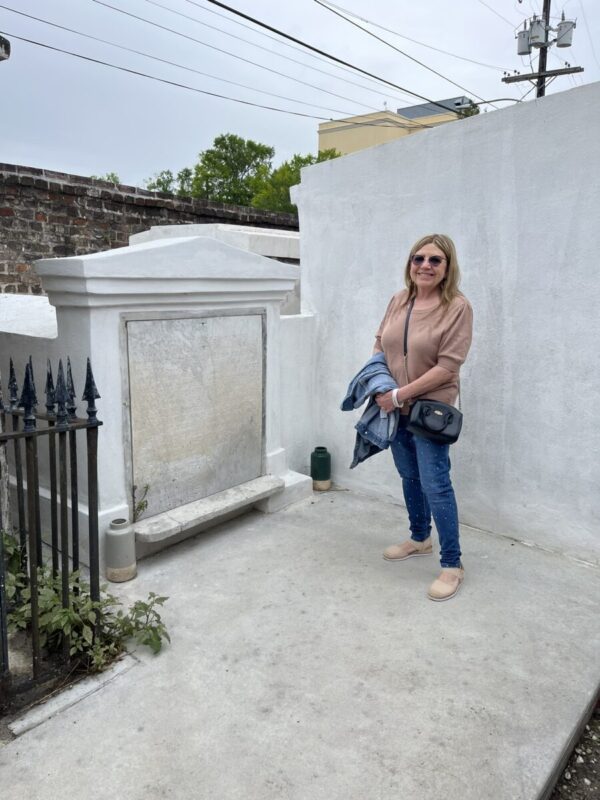
St. Louis Cemetery No. 1
Stop 6: Canal Street
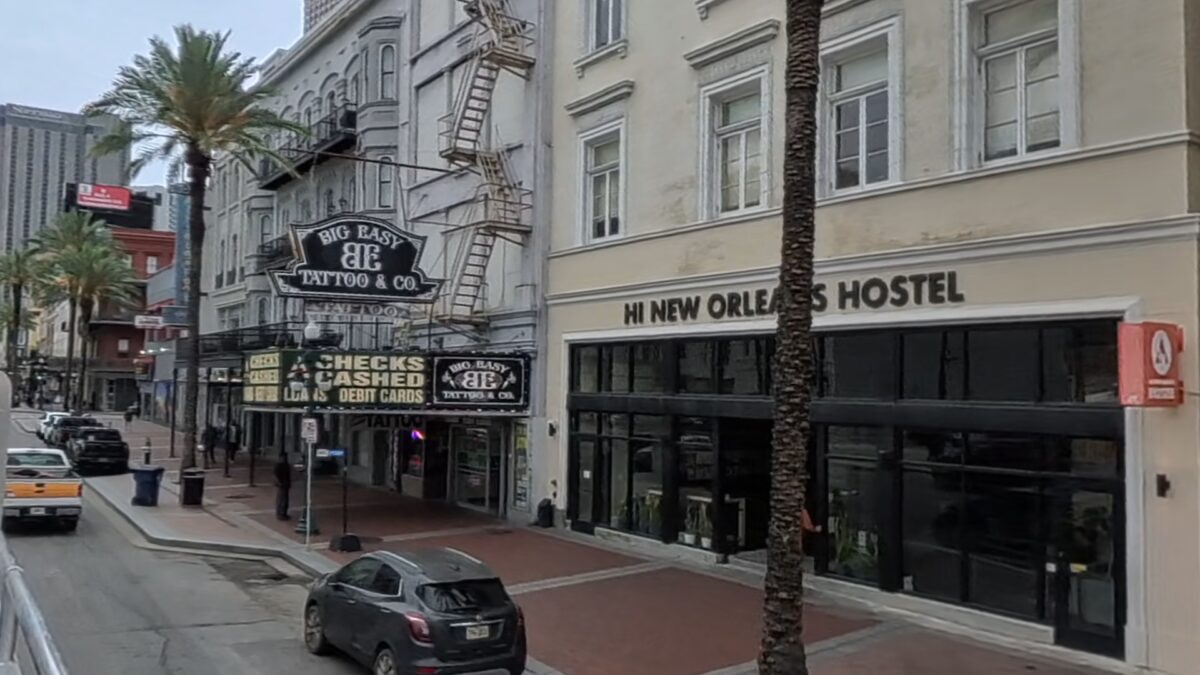
Stop 6 on Canal Street brought us into one of the busiest areas of New Orleans. Canal Street provides access to the French Quarter, Bourbon Street, shopping, restaurants, hotels, and the city’s famous streetcars.
The wide boulevard was a sharp contrast to the narrow streets of the French Quarter. From the upper deck of the bus, we had a great perspective of the surrounding buildings and activity.
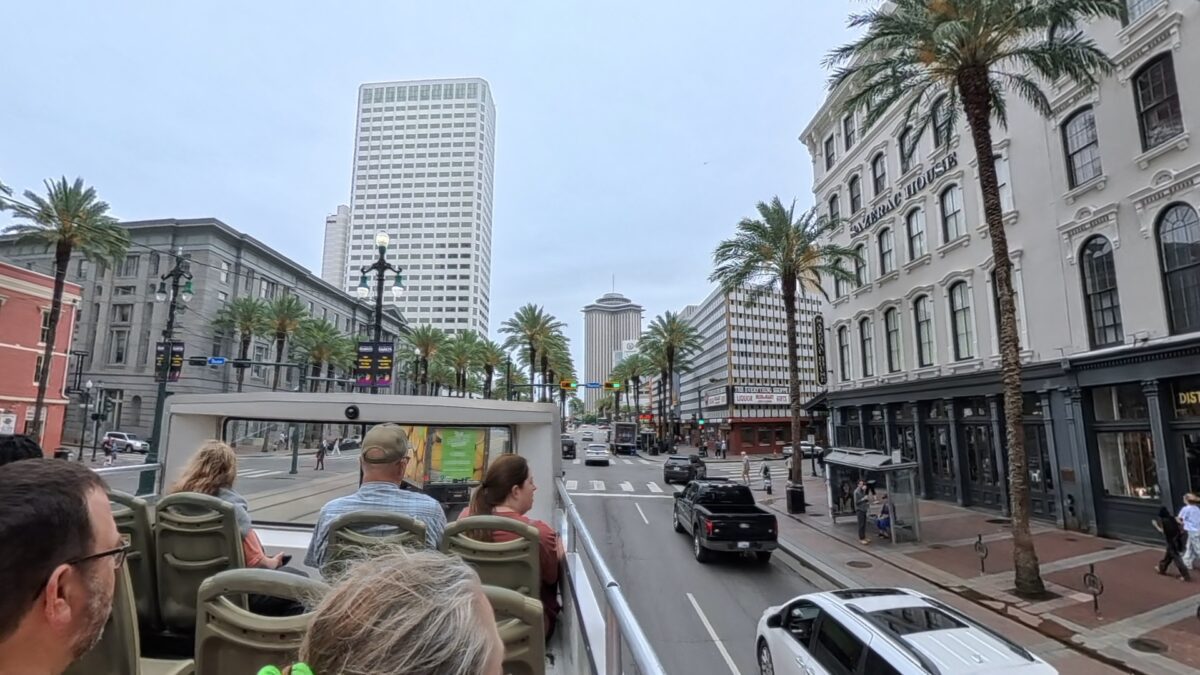
Canal Street
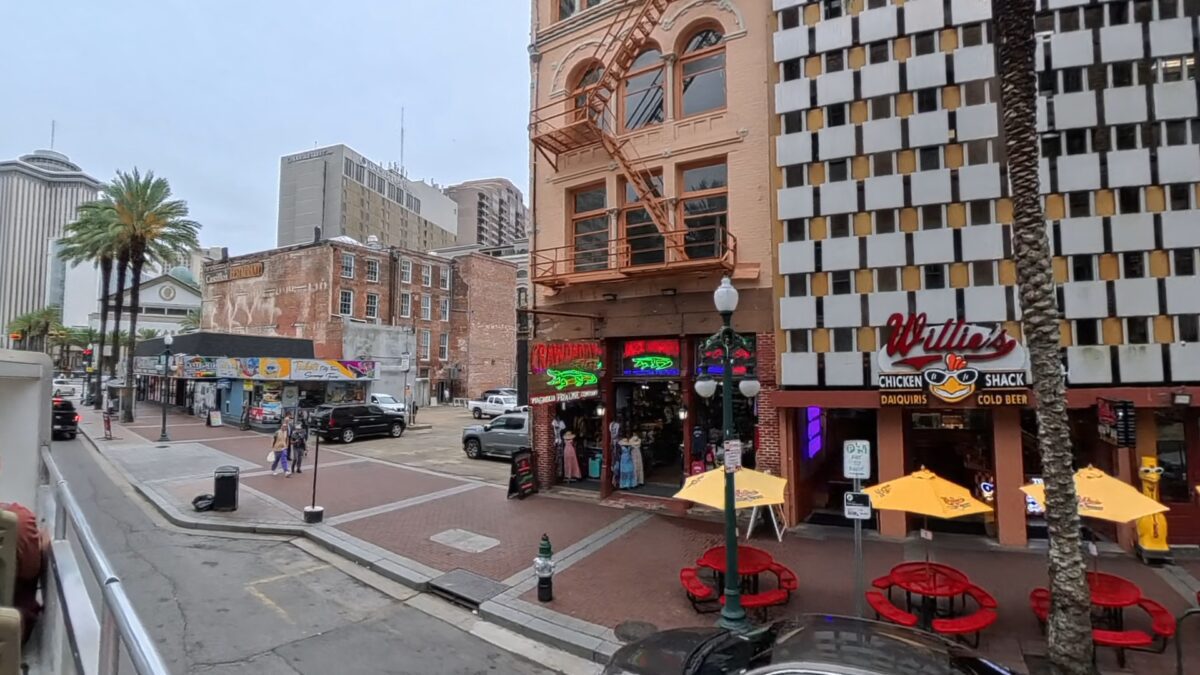
Canal Street

Canal Street

Canal Street
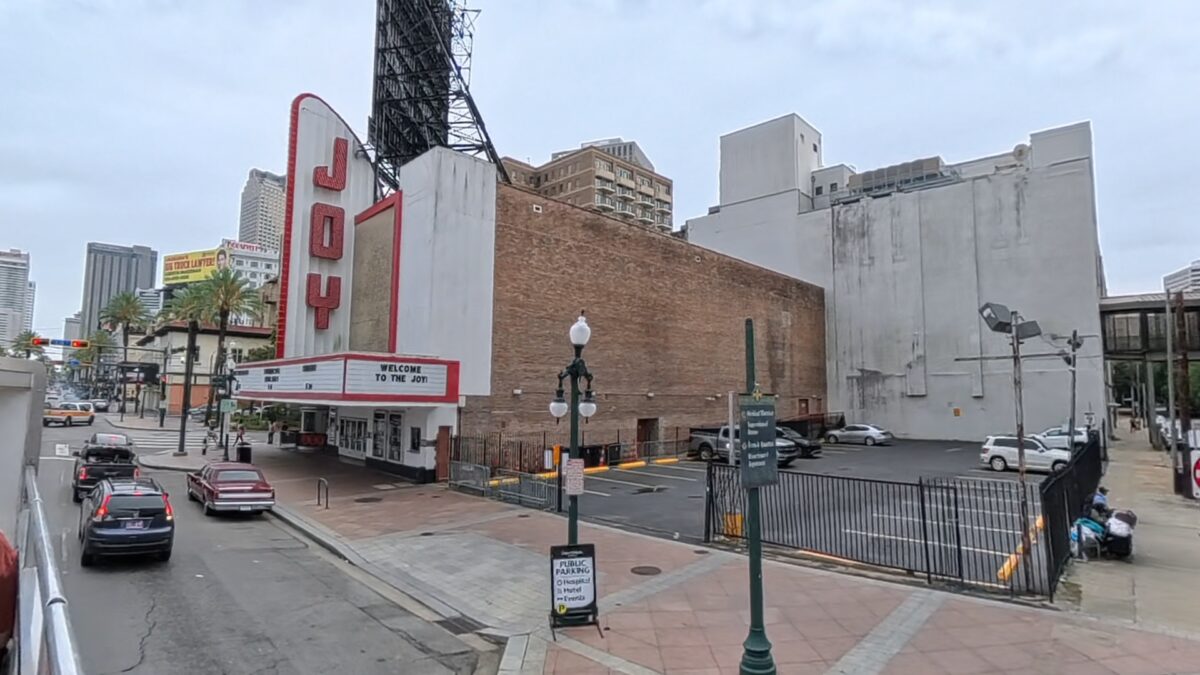
Canal Street

Canal Street
Canal Street

Canal Street and Roosevelt Way

Canal Street

Canal Street and St. Charles Avenue
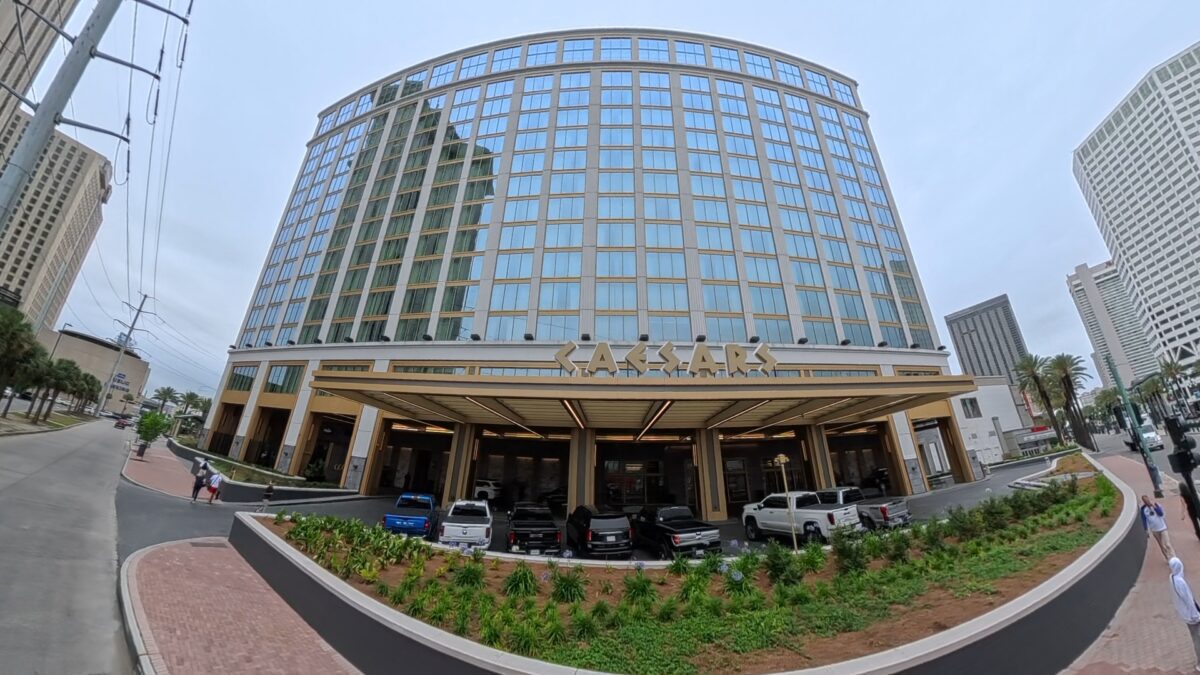
Stop 7: Caesars New Orleans
At Stop 7 near Caesars New Orleans, the tour entered the area around Poydras Street and the Mississippi River. The stop provides access to Caesars New Orleans and nearby attractions such as the Italian American Museum and Piazza d’Italia.
This section of the route showed another side of New Orleans, where historic architecture and tourist attractions blend with the modern downtown skyline.

Stop 8: Poydras Street and the Central Business District
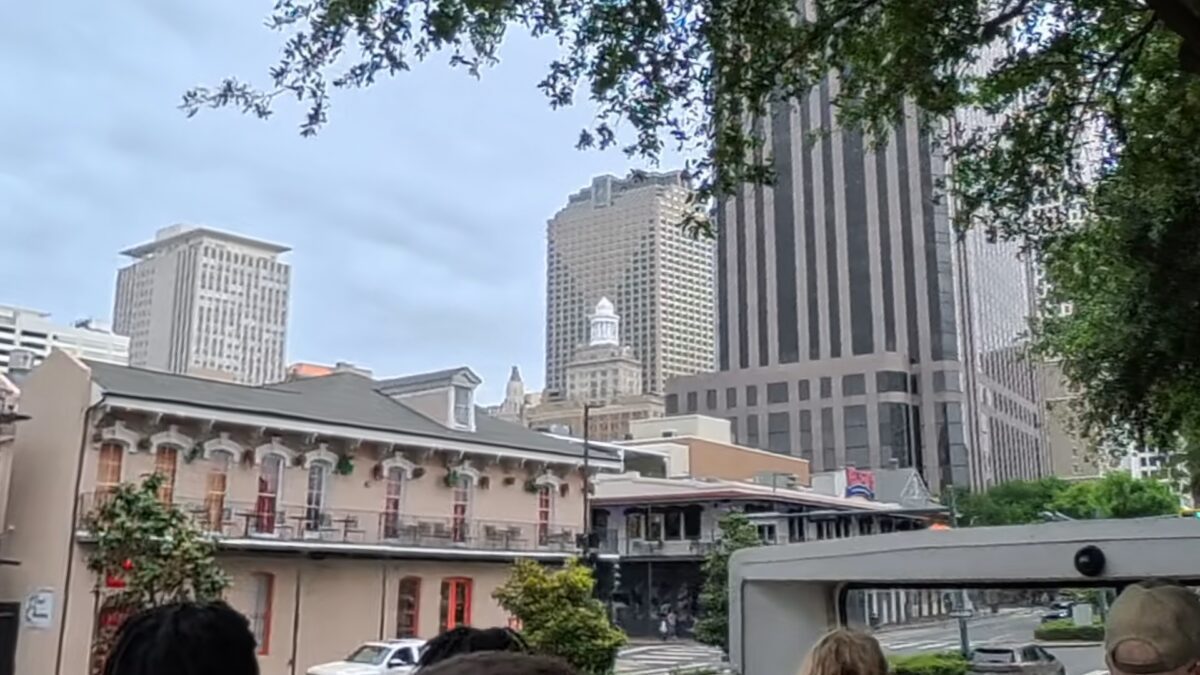
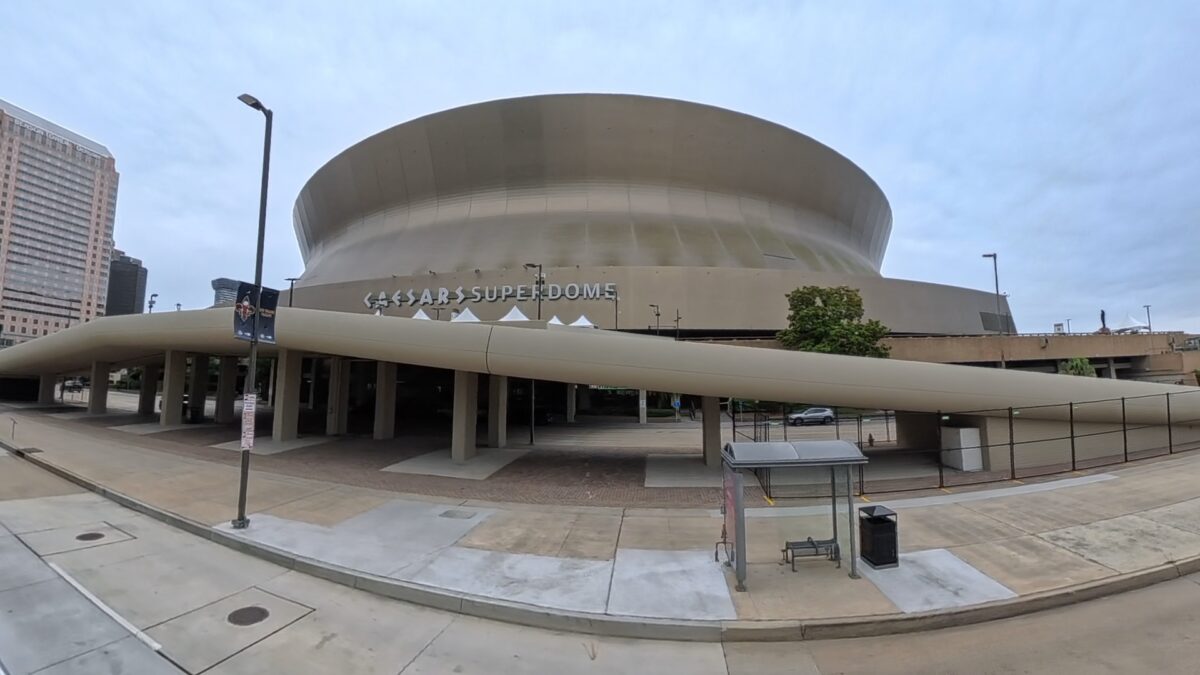
Stop 8 at Poydras Street placed us in the heart of New Orleans’ Central Business District. This area is filled with office buildings, hotels, restaurants, businesses, and the Caesar’s Superdome.
It was interesting to see how quickly the scenery changed from the historic French Quarter to a modern downtown environment. For visitors staying in the CBD, this stop also provides convenient access to restaurants and other attractions.
Famous Tempietto atop the historic Hibernia Tower

The Hiker in Louisiana Spanish-American War Monument

Poydras Street
Caesar’s Superdome
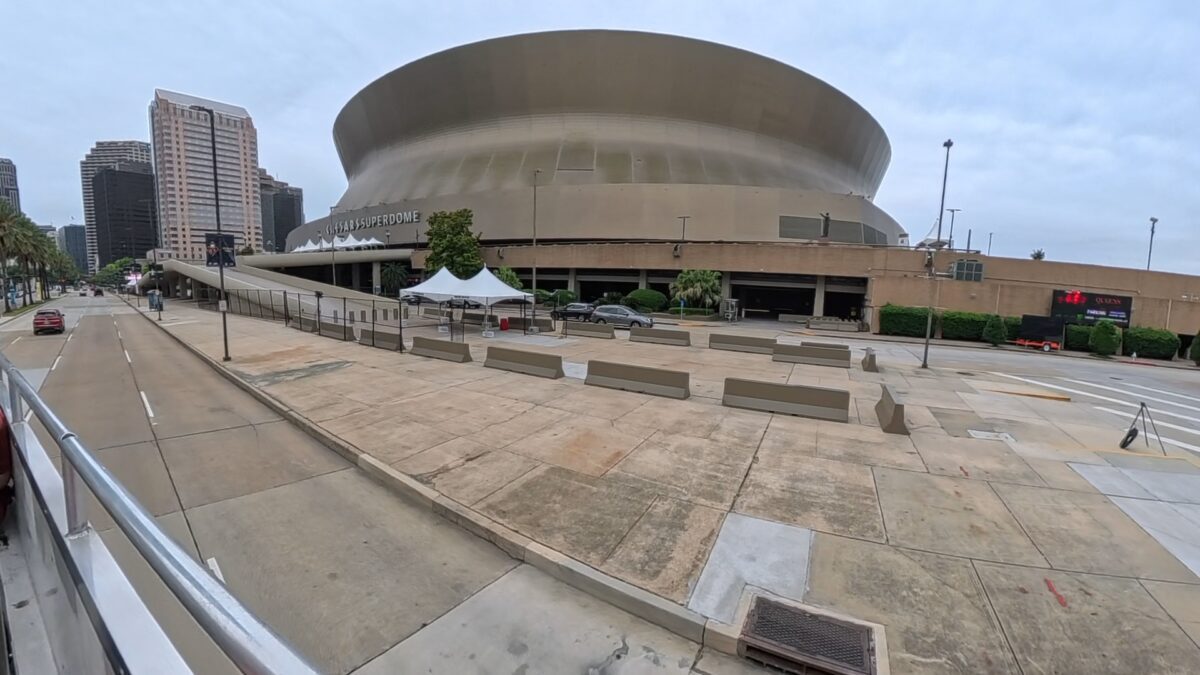
Caesar’s Superdome
Stop 9: St. Charles Avenue and Lafayette Square
The bus continued toward Stop 9 at St. Charles Avenue and Lafayette Square. This area is known for its historic architecture, beautiful oak trees, and the famous St. Charles Avenue streetcar.
Nearby Gallier Hall and Lafayette Square provide excellent opportunities for sightseeing and photography. The historic buildings and tree-lined streets gave us a preview of the beautiful neighborhoods we would see farther along the route.

Turning onto St. Charles from Poydras
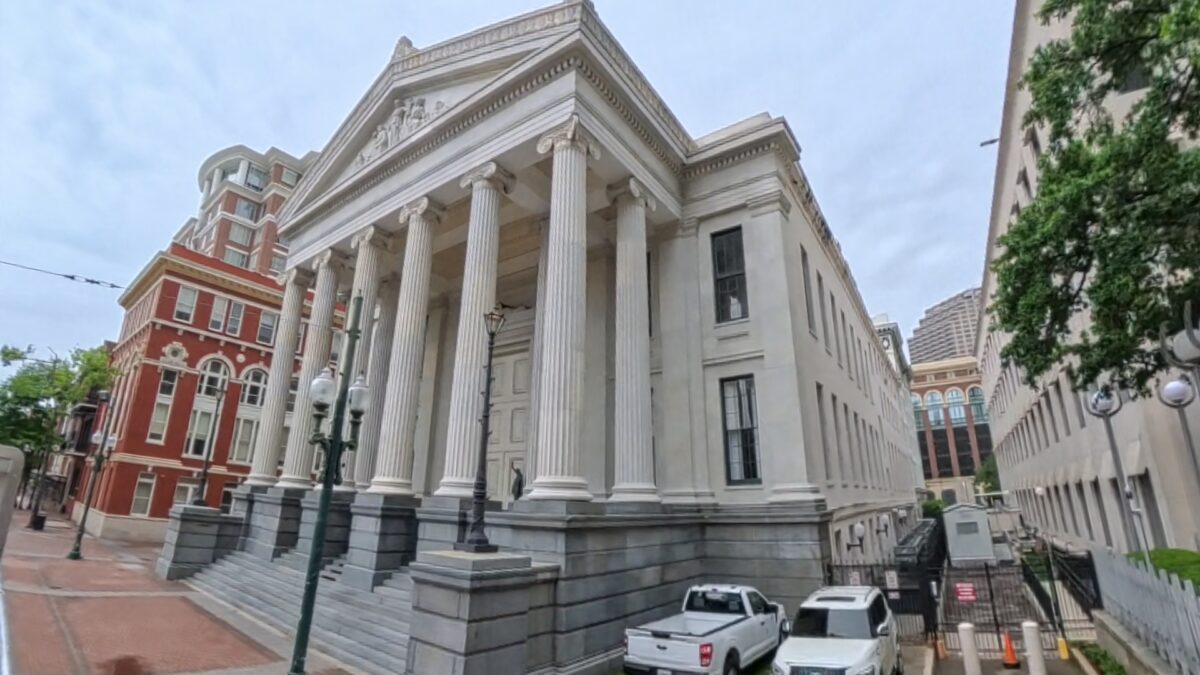
Gallier Hall
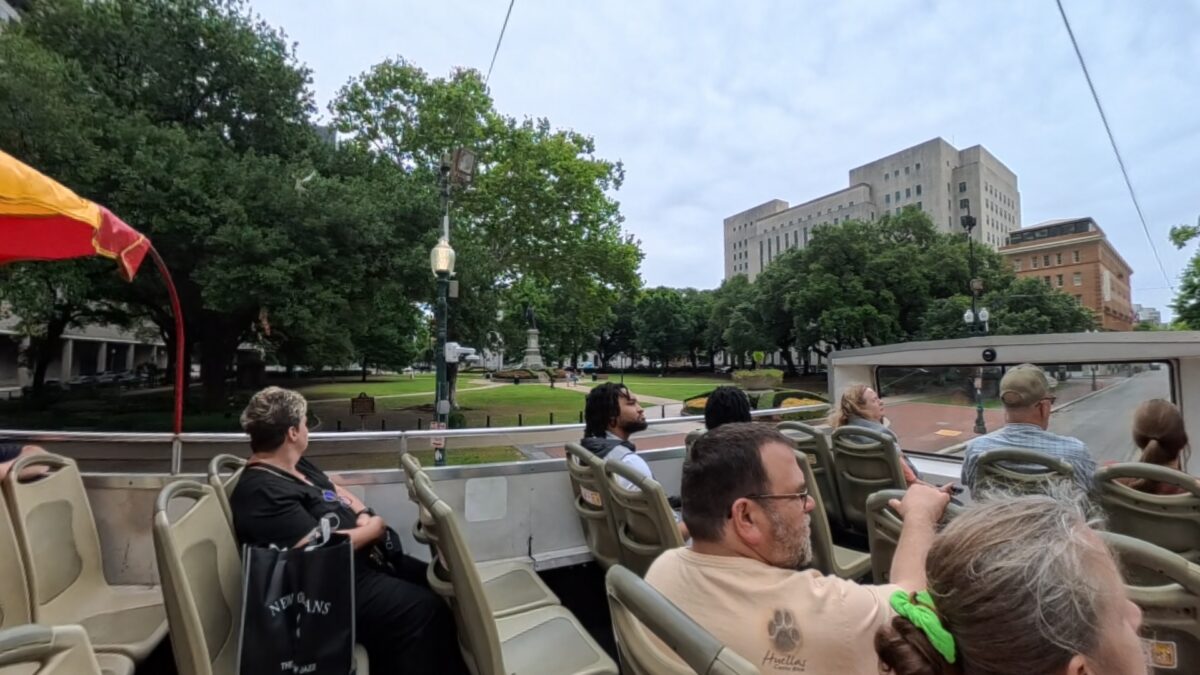
LaFayette Square
Stop 10: The National WWII Museum
One of the major stops on the tour was Stop 10 at The National WWII Museum. Located on Magazine Street, this world-renowned museum tells the story of America’s involvement in World War II through exhibits, artifacts, aircraft, personal stories, and immersive experiences.
The surrounding area also includes the Ogden Museum of Southern Art and the Contemporary Arts Center. Even if you don’t have time to visit the museums, this section of the route offers plenty to see from the bus.
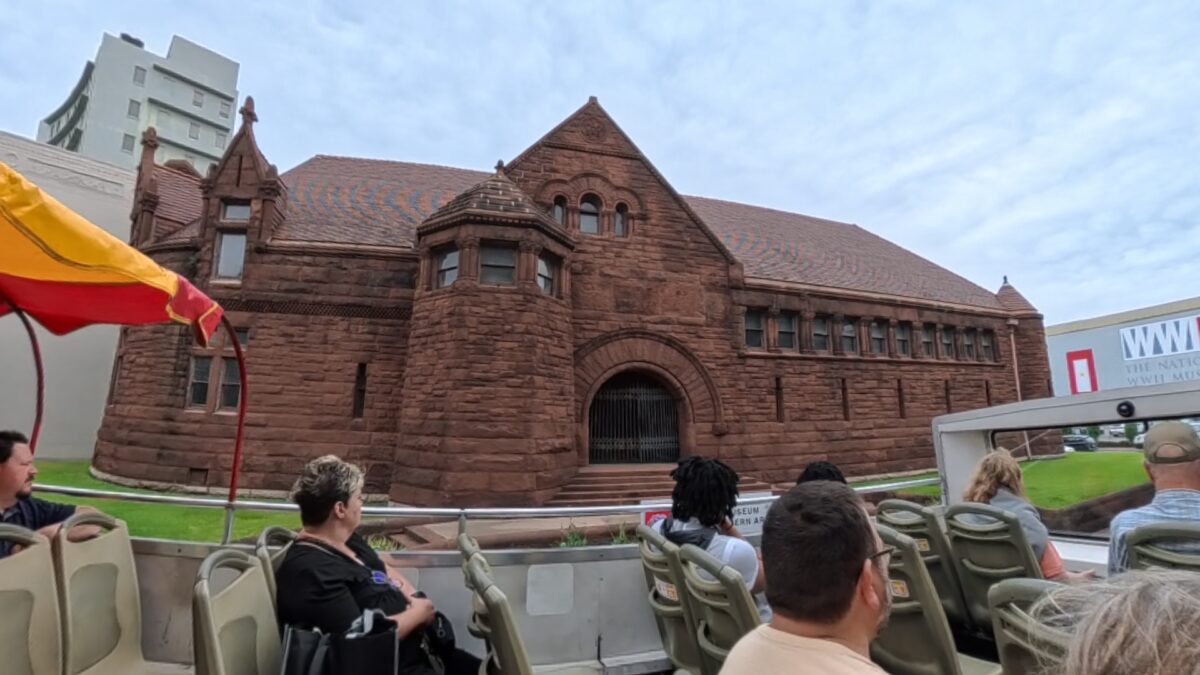
The Ogden Library

The National WWII Museum
Stop 11: Magazine Street
Stop 11 at Magazine Street took us into an area known for shopping, restaurants, boutiques, and historic neighborhoods. Magazine Street stretches for miles through New Orleans and is filled with independently owned businesses.
The nearby Irish Channel neighborhood is also worth exploring, with its historic shotgun houses and distinctive New Orleans architecture. This was another section where riding on the upper deck gave us a great opportunity to take in the neighborhood.
Stop 12: Garden District
The Garden District at Stop 12 was one of the highlights of our bus tour. This neighborhood is famous for its enormous historic homes, beautiful gardens, mature oak trees, and elaborate iron fences.
As we traveled through the neighborhood, there was much more to see than just the grand homes. One of the more unusual sights was the Gargoyle building, where a distinctive gargoyle sculpture is mounted high on the exterior of a historic building on Jackson Avenue. It is one of those quirky architectural details that makes exploring New Orleans so much fun.
The Garden District is also home to Turkey and the Wolf, a popular sandwich shop on Jackson Avenue known for its creative take on classic comfort food. Even if you don’t stop for a meal, it is another interesting landmark to look for while exploring this part of the neighborhood.
Another beautiful landmark in the area is Our Lady of Good Counsel Catholic Church on Louisiana Avenue. The historic brick church dates back to the late 1800s, with the current building completed in 1894. Its Gothic-style architecture, stained-glass windows, statuary, and beautiful sanctuary make it an especially interesting stop for anyone who appreciates historic churches.
The stop is also near Lafayette Cemetery No. 1, one of New Orleans’ historic above-ground cemeteries. The Garden District is a wonderful place to hop off and walk because there are so many beautiful homes, restaurants, churches, unusual architectural details, and historic landmarks packed into a relatively small area.

Our Lady of Good Council Catholic Church
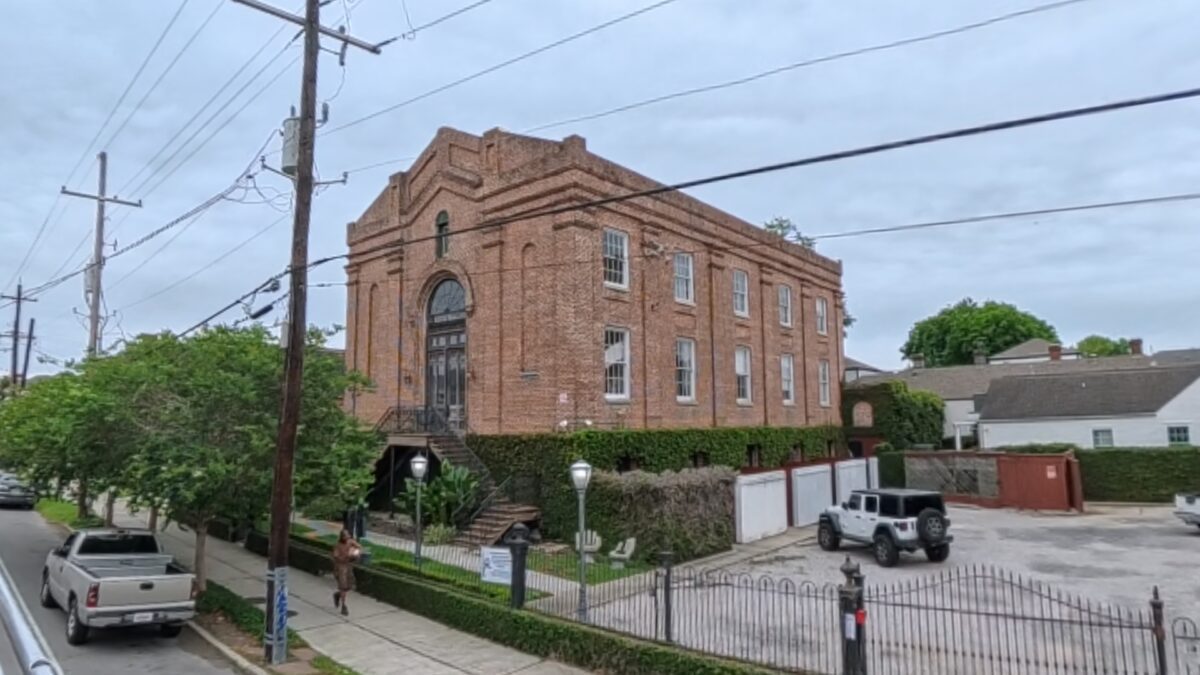
Gargoyle
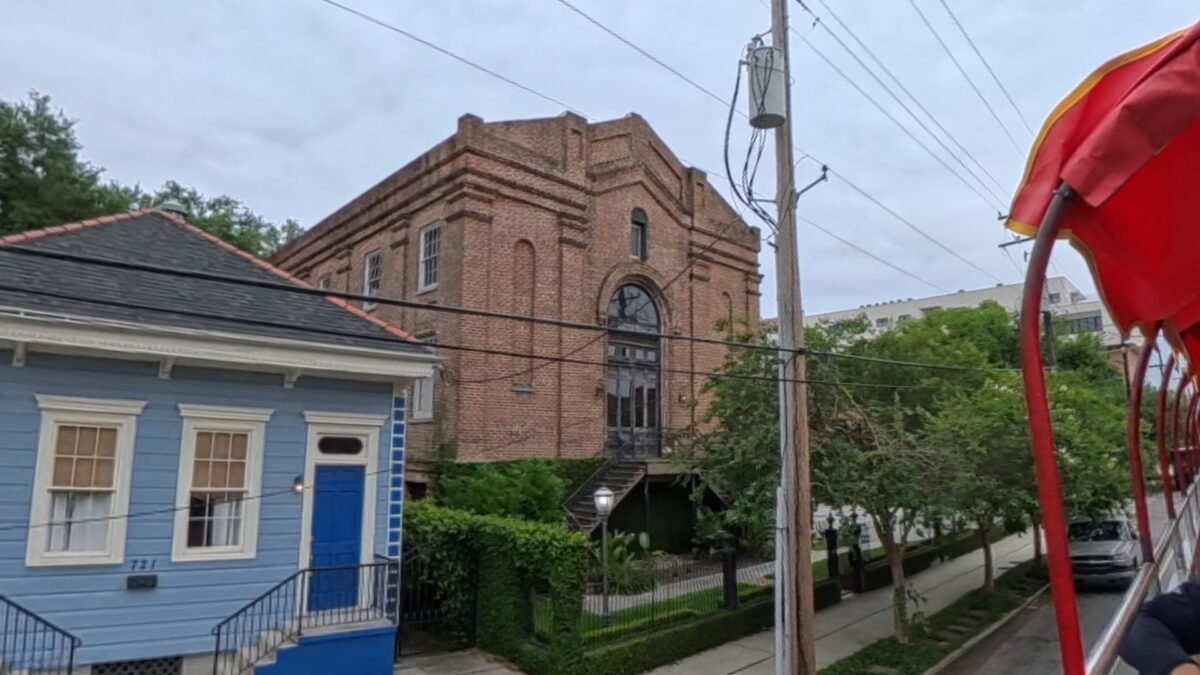
Gargoyle

Turkey and the Wolf

Magazine St Garden District

Magazine St Garden District

Magazine St Garden District3

Magazine St Garden District

Magazine St Garden District

Magazine St Garden District
Stop 13: Magazine Street Uptown
At Stop 13, the bus continued farther along Magazine Street into an area known for its restaurants, bars, boutiques, and local shops. This section of Magazine Street has a more neighborhood-oriented feel.
Visitors can find local favorites such as po’boy restaurants and unique stores selling New Orleans-themed gifts and souvenirs. It is an excellent stop for anyone interested in food and shopping.

Magazine St Uptown

Magazine St Uptown

Magazine St Uptown

Magazine St Uptown

Magazine St Uptown

Magazine St Uptown

Magazine St Uptown

Magazine St Uptown
Stop 14: St. Charles Avenue
Stop 14 at 3338 St. Charles Avenue brought us back onto the famous St. Charles Avenue corridor. The St. Charles streetcar line runs beneath a canopy of massive live oak trees and passes some of New Orleans’ most beautiful historic homes.
Nearby attractions include the historic Dew Drop Inn, a legendary music venue and civil rights landmark that has undergone restoration. This part of the route gave us another opportunity to appreciate the architectural character of New Orleans.

St. Charles Avenue

St. Charles Avenue

St. Charles Avenue

St. Charles Avenue

St. Charles Avenue

St. Charles Avenue

St. Charles Avenue
Stop 15: 2020 St. Charles Avenue
At Stop 15, we continued along St. Charles Avenue near the Pontchartrain Hotel. The hotel is known for its historic character and its Hot Tin rooftop lounge.
Another interesting landmark nearby is the Eiffel Society structure, which incorporates pieces of the original Eiffel Tower restaurant framework from Paris. It was another example of the unusual history and architecture we encountered throughout New Orleans.

The Pontchartrain Hotel

The Nieux (Eiffel Society)
Stop 16: Convention Center
The bus next brought us to Stop 16 at the Convention Center. The Ernest N. Morial Convention Center is one of the largest convention facilities in the country and occupies a major portion of the riverfront area.
Nearby is Mardi Gras World, where visitors can see where many of the massive floats used in New Orleans Mardi Gras celebrations are created and stored. For anyone interested in Mardi Gras, this would be an excellent place to hop off.

New Orleans Ernest N. Morial Convention Center
Stop 17: Arts District
Stop 17 in the Arts District brought us into another fascinating part of New Orleans. Julia Street is known for its concentration of contemporary art galleries and exhibitions, earning it the nickname “Gallery Row.”
The area also provides access to the Riverwalk outlet shopping area and other museums and cultural attractions. The combination of historic warehouses, modern galleries, restaurants, and public art makes this neighborhood particularly interesting.

Stop 18: Riverfront
The Riverfront stop at the foot of Canal Street brought us back toward the Mississippi River. Nearby attractions include the Audubon Aquarium, the Audubon Insectarium, the Steamboat Natchez, and the shops at St. Anne St.
This was a great final section of the tour because the Mississippi River is such an important part of New Orleans’ history. Seeing the riverfront from the bus helped put the city’s geography into perspective.
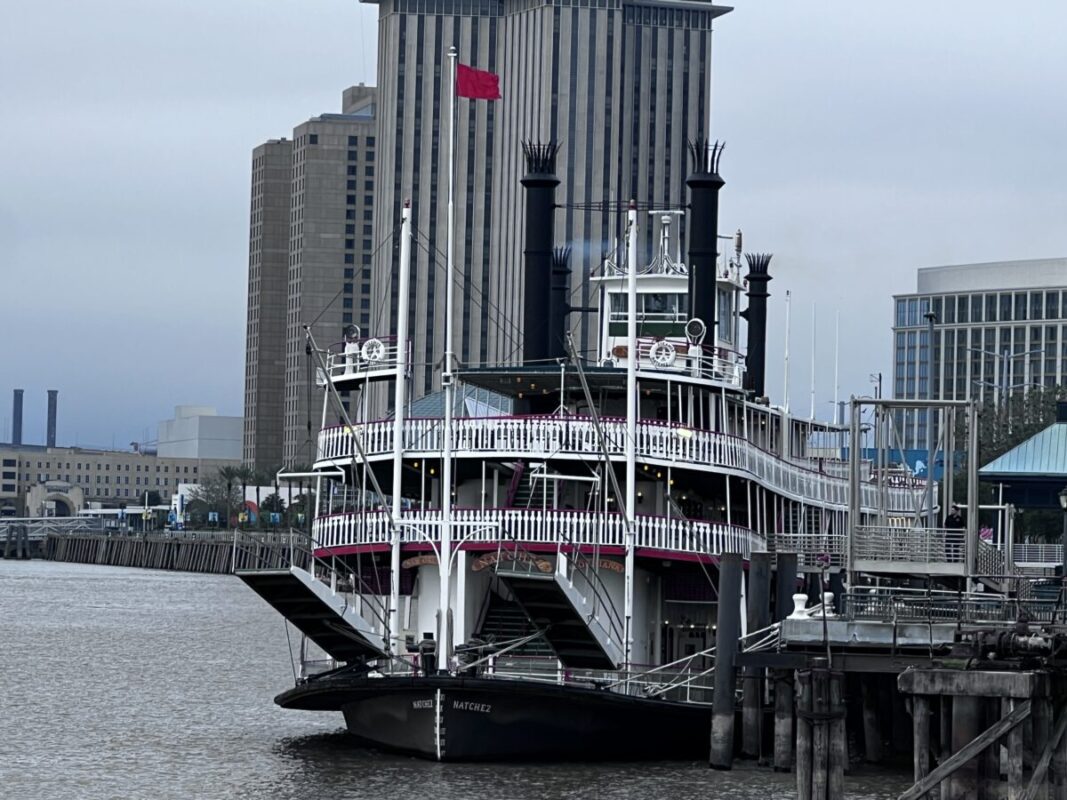
Steamboat Natchez
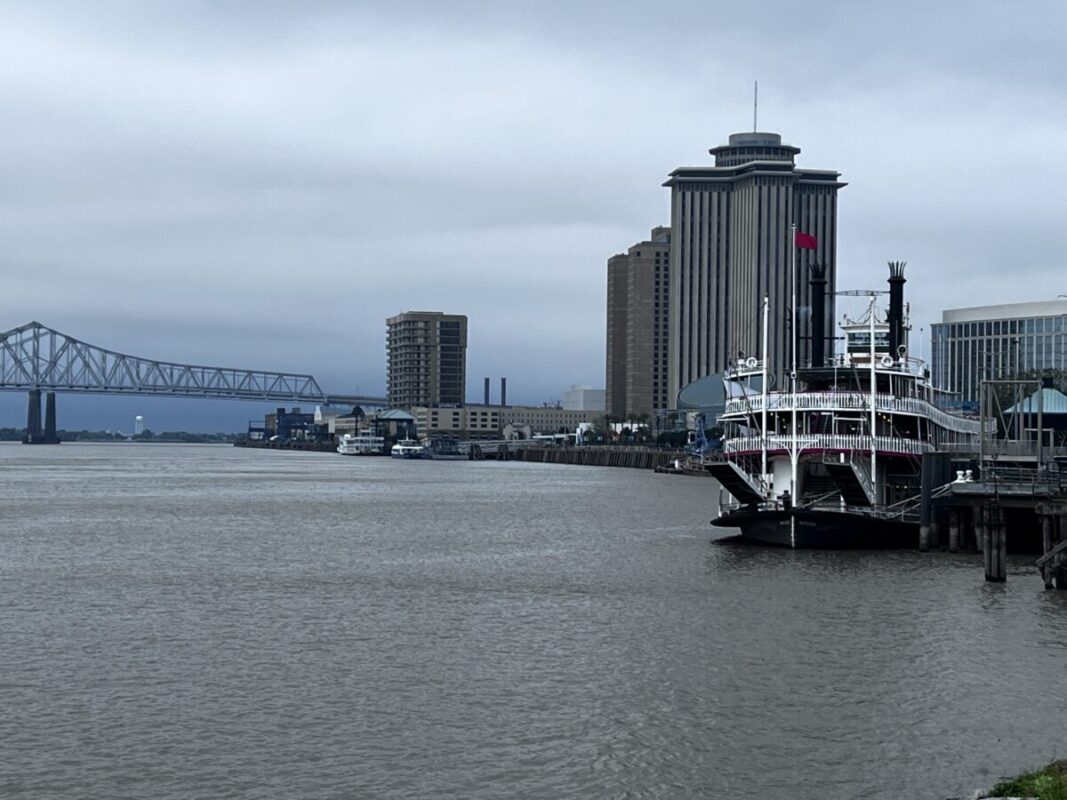
Mississippi River

Tug Barge
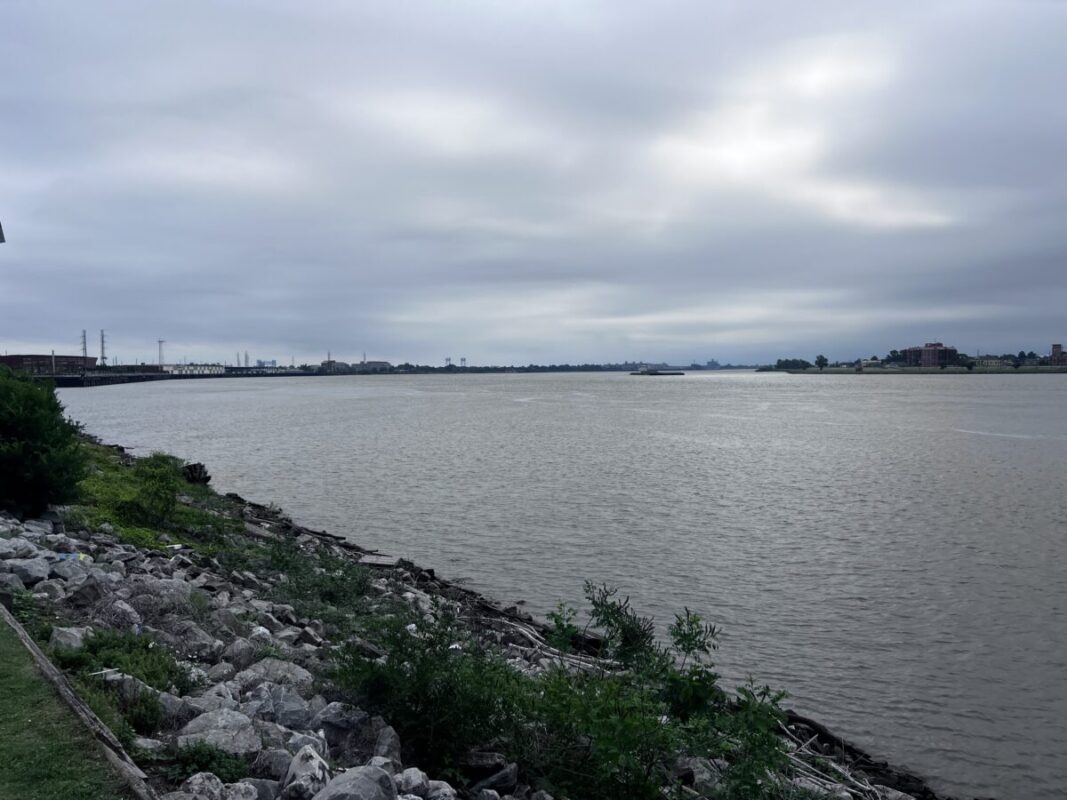
Mississippi River
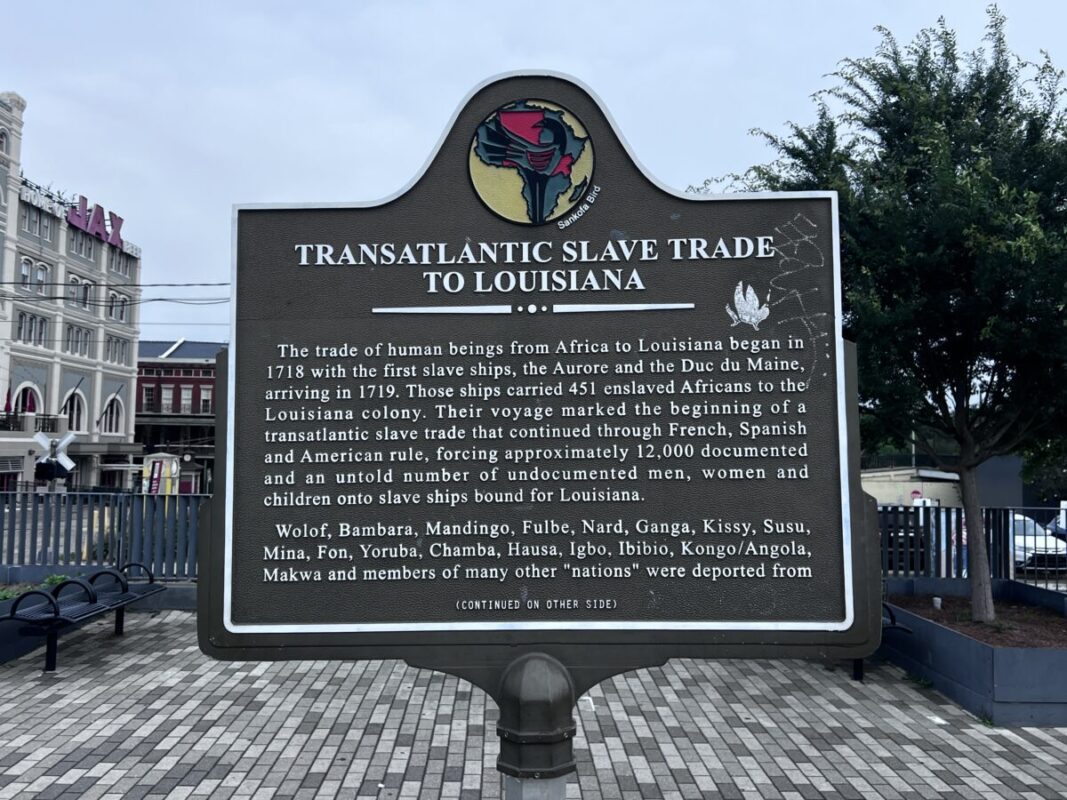
Transatlantic Slave Trade to Louisiana
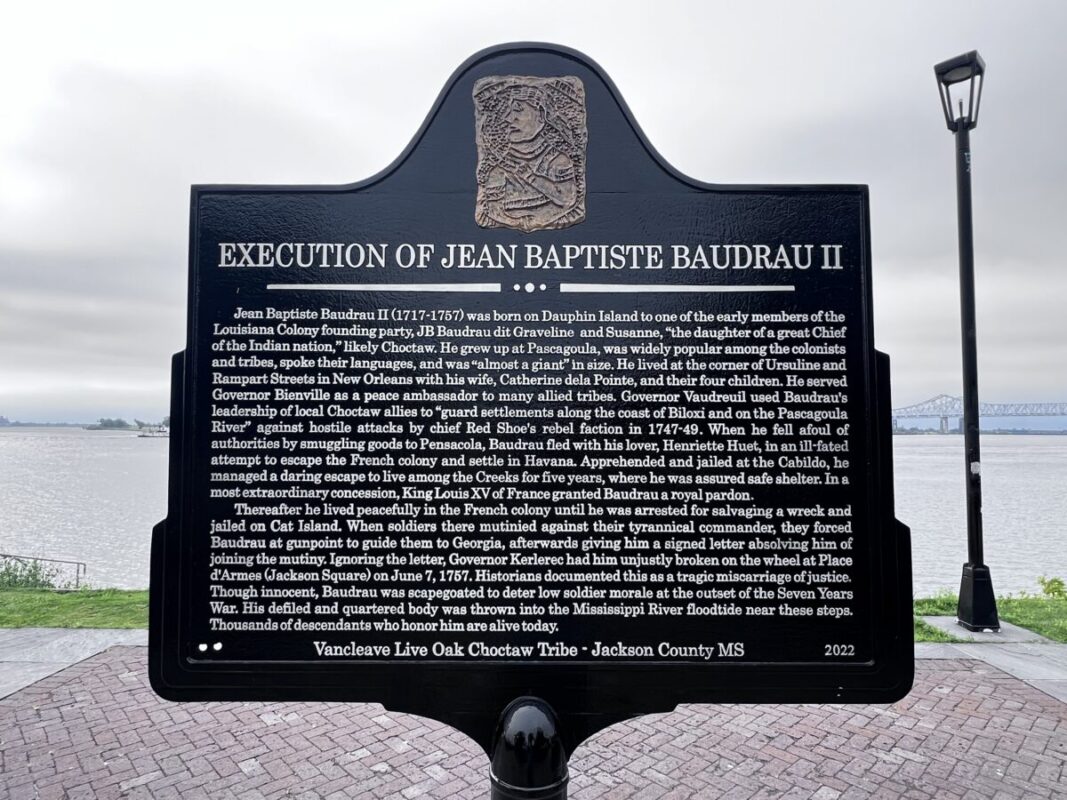
Execution of Jean Baptiste Baudrau II
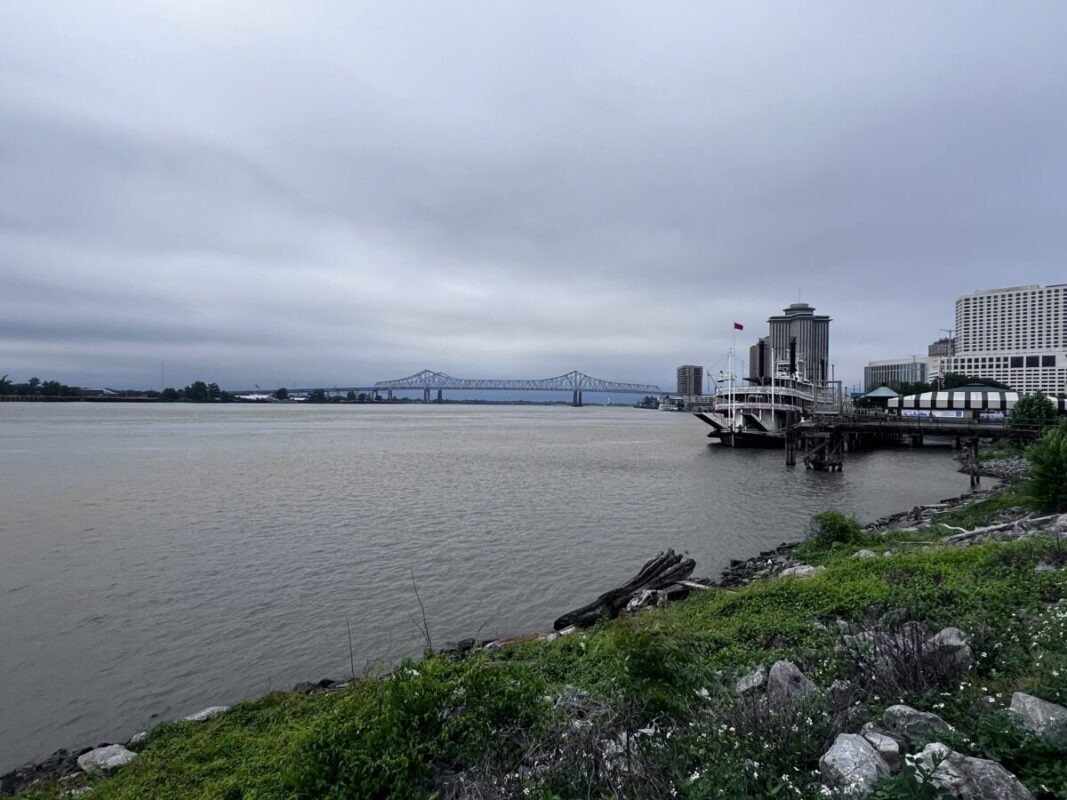
Mississippi River
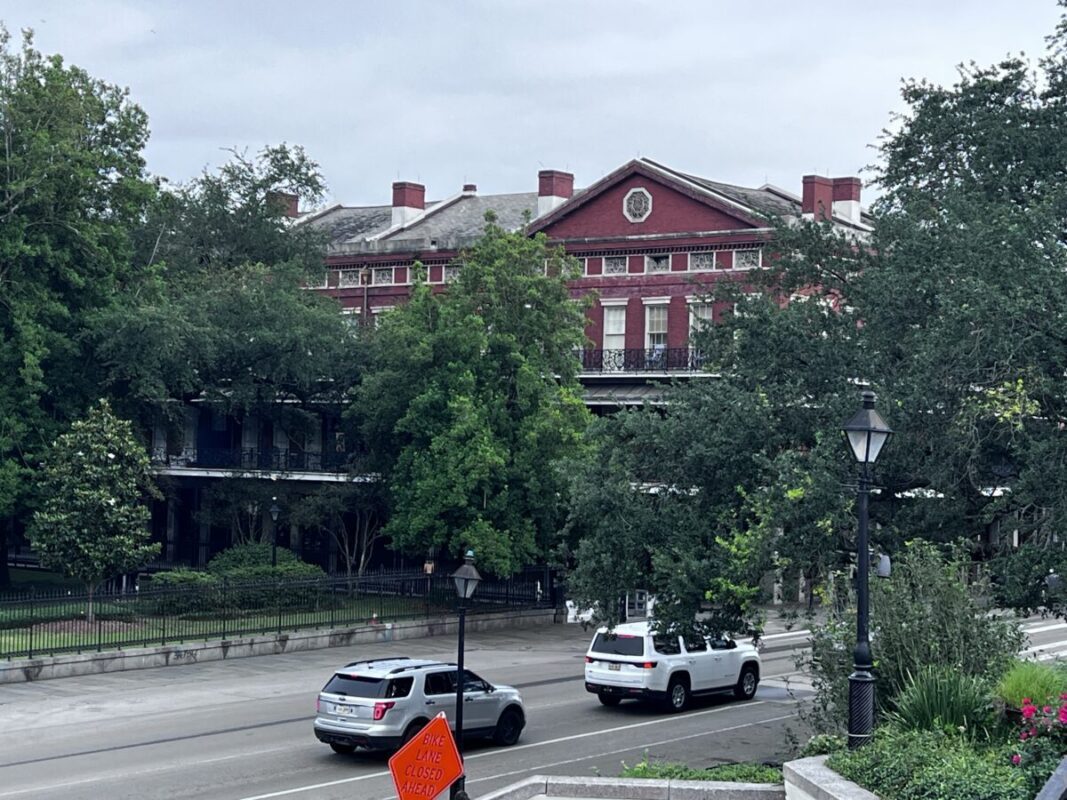
Shops and Restaurants along St. Ann St.
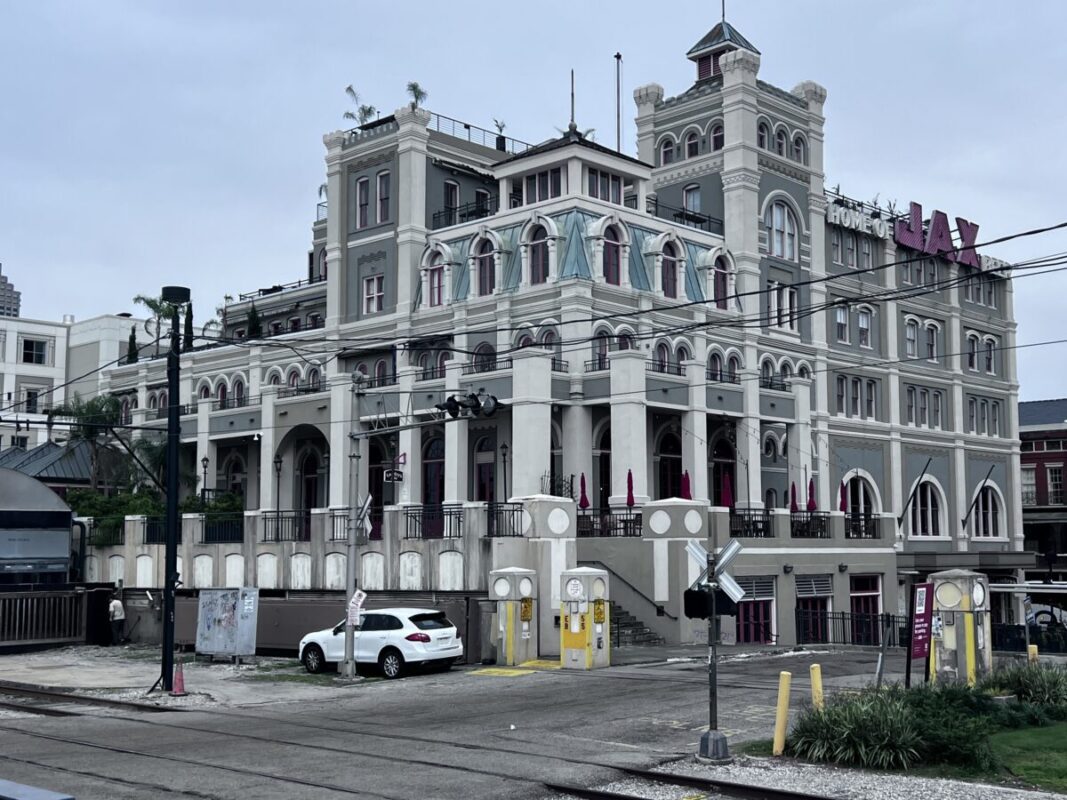
Shops at Jackson Brewery
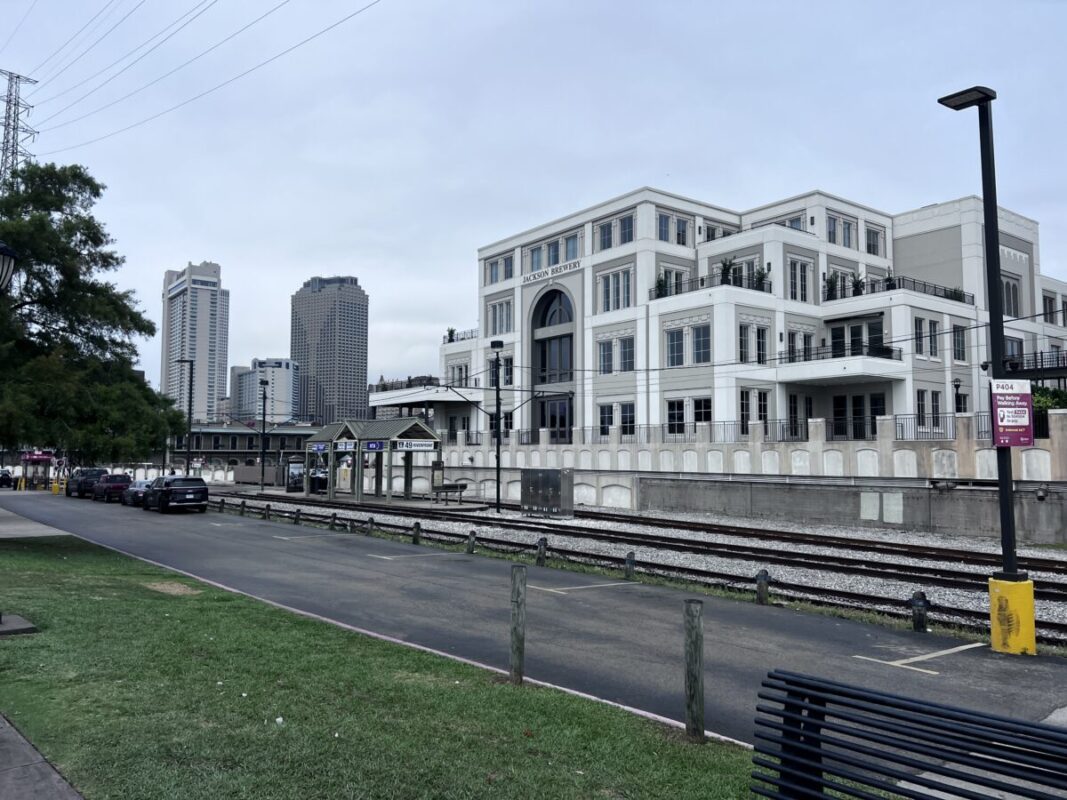
Shops at Jackson Brewery
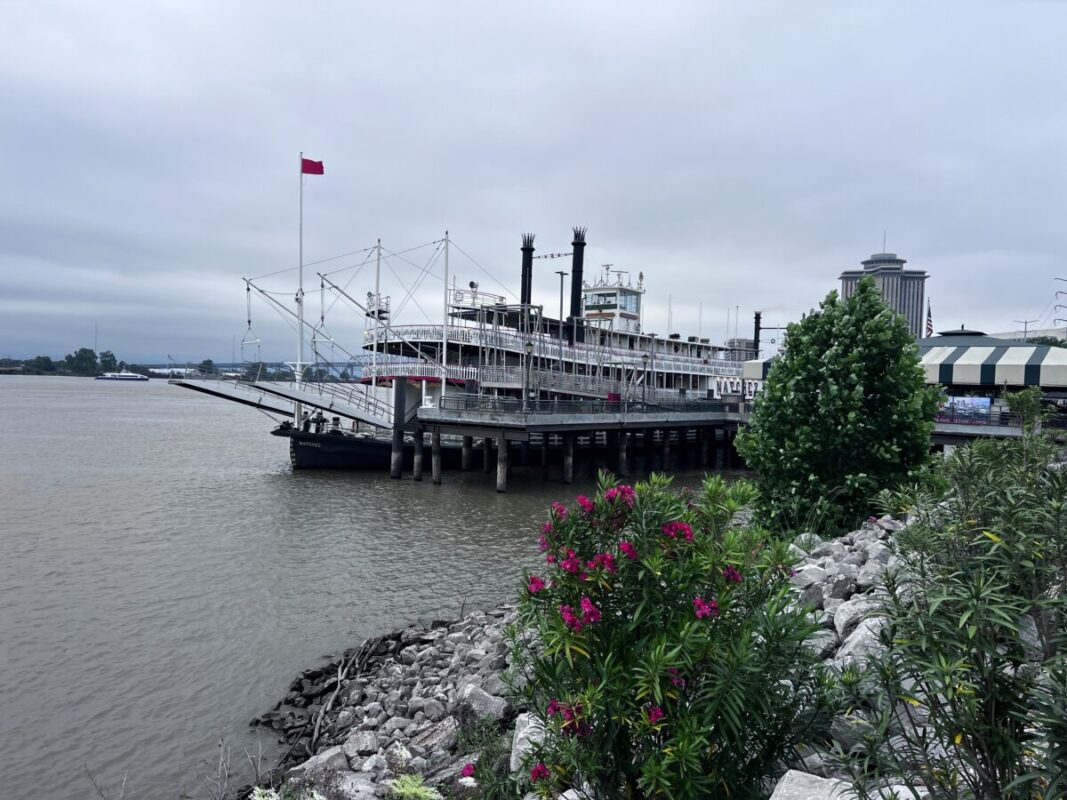
Steamboat Natchez
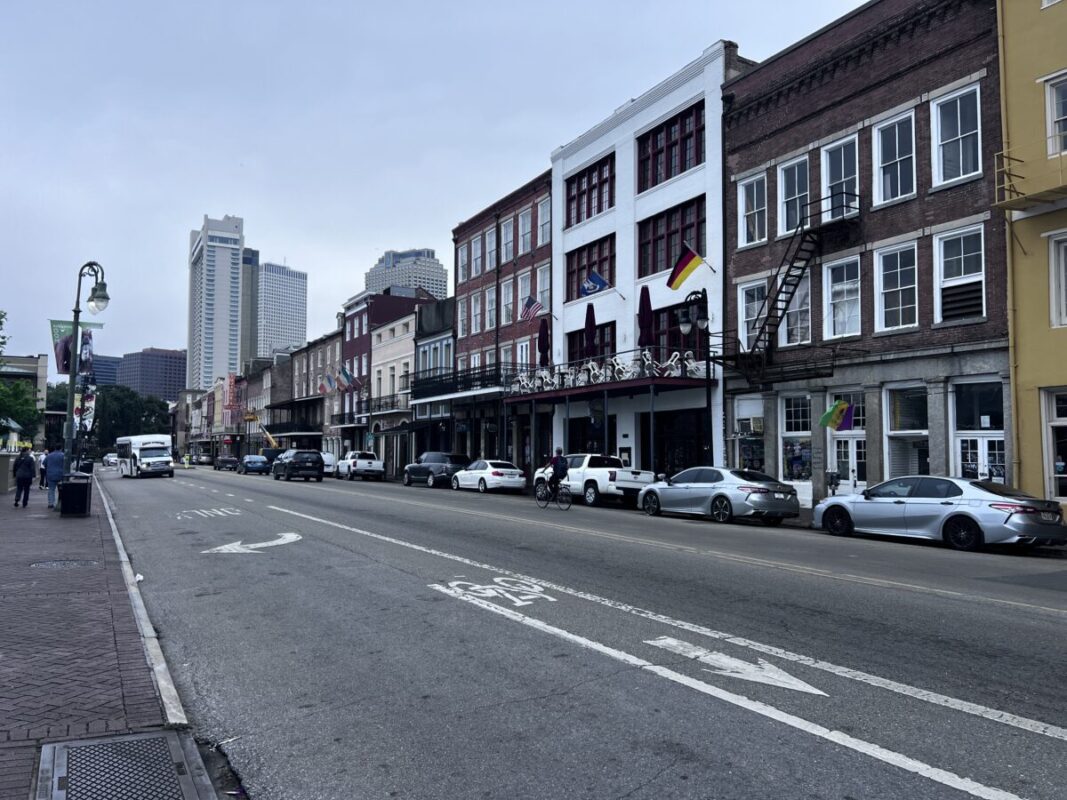
Decatur St.
Our Review of the New Orleans Hop-On, Hop-Off Bus Tour
We have taken hop-on, hop-off bus tours in other cities, including Savannah, Charleston, and St. Augustine, and we continue to enjoy them. New Orleans was especially enjoyable because of the open-air upper deck and the live commentary provided by the tour guides. City Sightseeing describes the New Orleans tour as a continuous loop with live guides and panoramic views, allowing passengers to create their own itinerary.
If you’re visiting New Orleans for the first time, I would recommend taking the bus tour early in your trip. You can ride through the city, learn about the neighborhoods, decide which attractions interest you most, and then return to those areas later. For us, it was an excellent way to experience New Orleans without having to worry about navigating the city’s narrow streets or finding parking. It turned a simple sightseeing trip into one of the memorable highlights of our California road trip’s return journey.